Published 27 January 2026
Proven 7 Products Supporting Burn Recovery
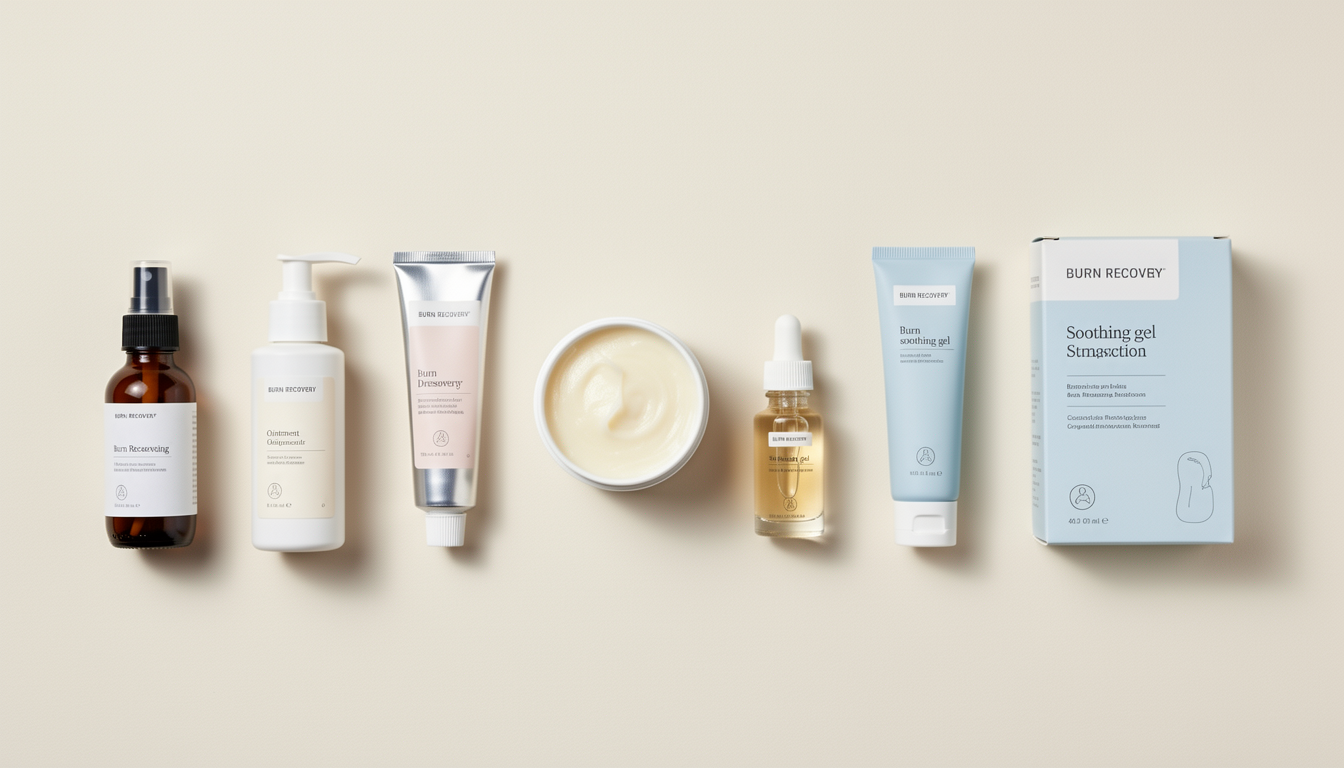
Burns are upsetting and need the right care to heal well and cut the chance of lasting scars. Appropriate products can ease symptoms, reduce infection risk, and create conditions that let skin regenerate. This evidence-informed roundup covers seven products used in burn aftercare, explaining what they do, their main ingredients, and how people typically use them.
1. EMUAIDMAX First Aid Ointment
EMUAIDMAX First Aid Ointment is a topical option aimed at relieving pain, infection, and inflammation in minor wounds and burns. It’s designed to counter bacterial and fungal threats while supporting skin repair. The formula uses a transdermal delivery system intended to drive active natural ingredients deeper into the skin after application.
Key ingredients include Argentum Metallicum (colloidal silver), Emu oil, Tea Tree Oil, Lactobacillus Ferment, Vitamin E (Alpha.-Tocopherol Acetate), Phytosphingosine, Ceramide 3, Allantoin, and Squalane. Many people say EMUAIDMAX helps with burns and other skin problems, often reporting noticeable relief and less pain. Some users find it expensive, but many feel the results justify keeping it in a first aid kit.
2. Pure Aloe Vera Gel
Pure aloe vera gel is widely used for its anti-inflammatory, cooling, and moisturizing effects, which suit minor burns and sunburns. Applied to damaged skin, it can reduce redness and pain while helping the area stay hydrated, which supports healing. Clinical work has shown first- and second-degree burns may heal faster with aloe vera than with certain other treatments.
For best results, choose an aloe gel without dyes or fragrances. Products containing a high percentage of aloe vera—ideally 95% or more—offer the most benefit. Affordable, well-regarded options include Seven Minerals Organic Aloe Vera Gel and Fruit of the Earth Moisturizing Gel, both noted for their soothing, hydrating action.
3. Medical-Grade Manuka Honey
Medical-grade Manuka honey is valued for strong antibacterial, anti-inflammatory, and wound-healing properties. Its methylglyoxal (MGO) content gives it notable antibacterial power, helping control infection and limiting bacterial growth, including some resistant strains.
Applied to burns, Manuka honey creates a moist protective layer that supports tissue repair, eases inflammation, and can reduce scarring, all of which encourage faster recovery. The FDA has cleared certain medical-grade Manuka products for wounds and burns. Options such as Medihoney Gel Wound and Burn Dressing work for first- and second-degree injuries and offer a natural approach to care.
4. Silicone Scar Sheets and Gels
Silicone sheets and gels are a mainstay in scar care and are frequently recommended to improve burn scar appearance. They form a barrier over the scar that helps retain moisture, limit excess collagen formation, and over time can flatten, soften, and make scars less noticeable.
Medical-grade silicone is gentle enough for newly healed skin and graft sites, so it suits many scar types, including hypertrophic and keloid scars. Products such as ScarAway Clear Silicone Scar Sheets and NewGel+ are commonly recommended by dermatologists and plastic surgeons. Regular use—often beginning about two weeks after the injury—can materially improve scar outcomes.
5. Silver-based Antimicrobial Gels/Dressings
Silver-containing gels and dressings play an important role in preventing and treating infections in burn wounds, particularly moderate ones. Silver sulfadiazine cream is a prescription example known for broad antibacterial action that helps curb bacterial growth and supports healing.
Over-the-counter alternatives with engineered silver nanoparticles, like SilvrSTAT Antibacterial Silver Wound Dressing Gel, provide similar antimicrobial benefits while maintaining a moist healing environment. These products are applied directly to the wound or onto dressings and are usually non-stinging, making them useful for managing infection risk in first- and second-degree burns.
6. Dexpanthenol (Panthenol) Creams/Ointments
Dexpanthenol, or Panthenol, is prized for supporting wound healing and restoring the skin barrier. Once on the skin it converts to pantothenic acid, a component of coenzyme A that’s important for cellular repair and tissue regeneration.
Creams and ointments with dexpanthenol help reduce transepidermal water loss and promote faster healing. They hydrate irritated skin and soothe damaged tissue, making them a practical choice in post-burn care. These products are generally well tolerated and commonly used to support healthy skin recovery after burns.
7. Burn Relief Gels with Cooling Agents
For quick relief from the sharp sting of minor burns and sunburns, gels with cooling ingredients work well. Formulations often include aloe vera or tea tree oil to deliver a cool, calming sensation on contact.
Products like Water Jel Burn Gel and Dynarex XeroBurn Burn Gel are designed to pull heat out of the wound, add moisture, and create conditions that favor healing. Many are sold in single-use packets for hygienic, on-the-go application, which makes them practical items for first aid kits. They provide fast pain relief and help reduce inflammation in minor burns.
Key Takeaways
- Prompt and proper care for burns is crucial for effective healing and minimizing scars.
- EMUAIDMAX provides comprehensive relief for minor burns, addressing pain, infection, and inflammation.
- Aloe vera and medical-grade Manuka honey offer natural anti-inflammatory and antimicrobial properties to aid healing.
- Silicone products are essential for long-term scar management, helping to soften and flatten scars.
- Antimicrobial agents like silver-based gels prevent infection, a critical step in burn recovery.
- Dexpanthenol-based creams support skin regeneration and hydration.
- Cooling gels provide immediate symptomatic relief from pain and discomfort for minor burns.
FAQ
What types of burns can these products typically treat?
Most over-the-counter options listed here suit first-degree burns (redness, minor pain) and superficial second-degree burns (redness, blisters, swelling) affecting small areas. Deeper or more extensive burns need professional evaluation and treatment.
When should I seek medical attention for a burn?
Seek immediate care for large burns (larger than your hand), deep burns of any size that produce white or charred skin, or burns on the face, neck, hands, feet, joints, or genitals. Also get help for chemical or electrical burns, signs of infection (increasing redness, swelling, pus, fever), or severe, uncontrolled pain.
Picking appropriate burn-care products can change how well and how cleanly your skin heals. Always judge the severity of an injury and consult a healthcare provider for anything beyond a minor burn. Used sensibly, these products can support the body’s repair process and improve recovery.